
Fluorinated Liposome‑Coated Coacervates: Low‑Energy Interfaces for Mucus Penetration and Pulmonary Delivery in Acute Respiratory Distress Syndrome
Research topic content
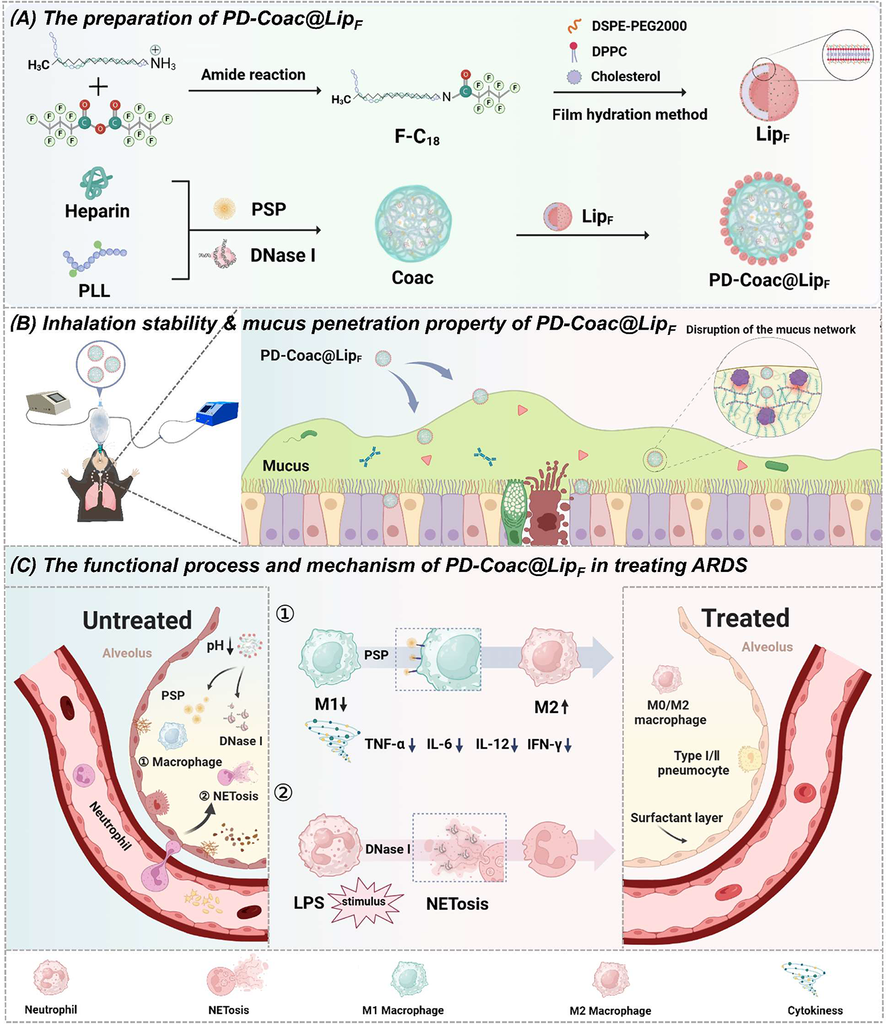
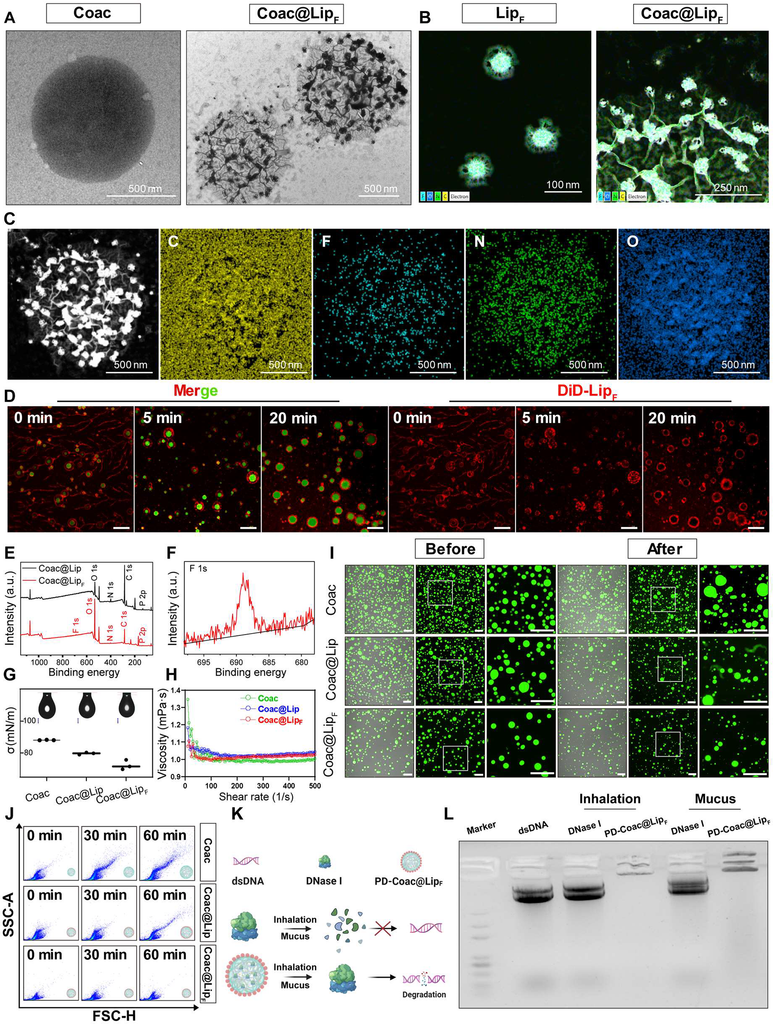
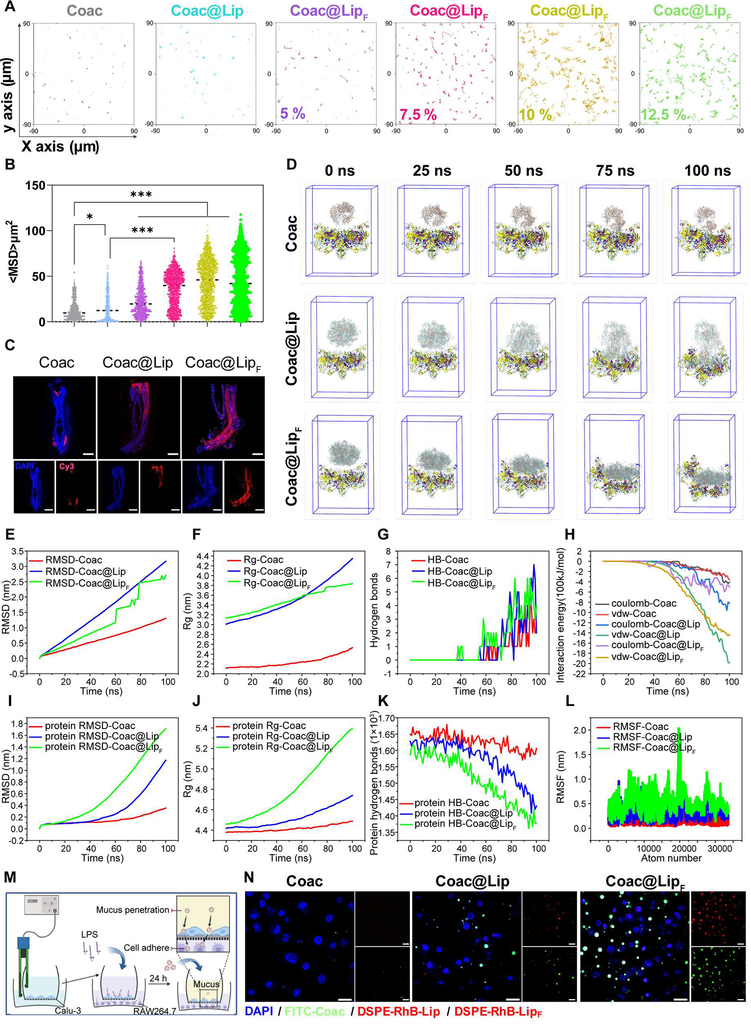
A fluorinated liposome encapsulated condensed layer delivery system (PD-LES) was developed to address the issues of drug inactivation and difficulty in penetrating the mucus layer in inhalation therapy for acute respiratory distress syndrome (ARDS) Coac@LipF )Co loaded with prednisolone phosphate sodium (PSP) and deoxyribonuclease I (DNase I). The core of the condensed layer is formed through liquid-liquid phase separation, which can efficiently enrich small molecule drugs and biomolecules, and protect their activity under atomization shear. The surface modification of fluorinated liposomes endows the carrier with low surface energy, allowing it to rapidly diffuse through the lung mucus barrier. In the inflammatory alveolar microenvironment, this system adheres to neutrophil extracellular traps (NETs) and degrades them through DNase I; At the same time, PSP promotes macrophage polarization towards the anti-inflammatory M2 phenotype, reduces levels of reactive oxygen species and pro-inflammatory factors, decreases neutrophil infiltration, and alleviates lung injury. In vivo experiments have shown good lung retention and distribution.
Material innovation
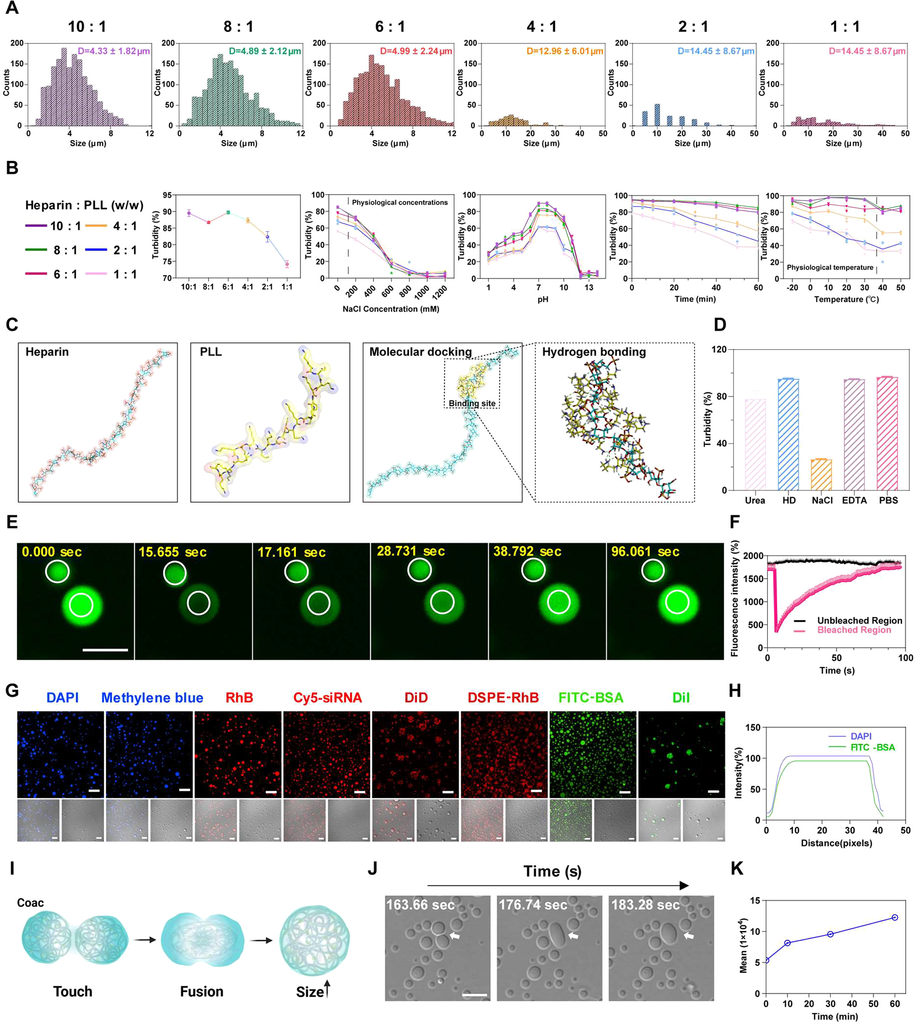
For the first time, the condensed layer was used for pulmonary inhalation delivery. The condensed layer is formed by hydrogen bonding and electrostatic interaction between polylysine and low molecular weight heparin, and has high water content, flexibility, and deformability, which can adapt to atomization stress and protect drugs. By encapsulating with fluorinated liposomes (LipF), not only is stability enhanced, but the low surface energy of carbon fluorine chains is also utilized to improve mucus penetration ability. Fluorinated lipids are assembled from fluorinated lipid F-C18 with DPPC, cholesterol, DSPE-PEG2000, and other components. This system is pH sensitive and accelerates drug release in the inflammatory microenvironment, achieving stable inhalation, efficient mucus penetration, and dual drug synergistic delivery.
📌 core design
Fluorinated liposomes were coated with a condensed layer, co loaded with PSP and DNase I, and delivered via nebulization inhalation.
🔬 material characteristics
Condensed layer liquid-liquid phase separation, efficient enrichment of drugs and resistance to atomization shear
Fluorinated liposome coating reduces surface energy and enhances mucus penetration
PH sensitive release, adapted to the inflammatory microenvironment
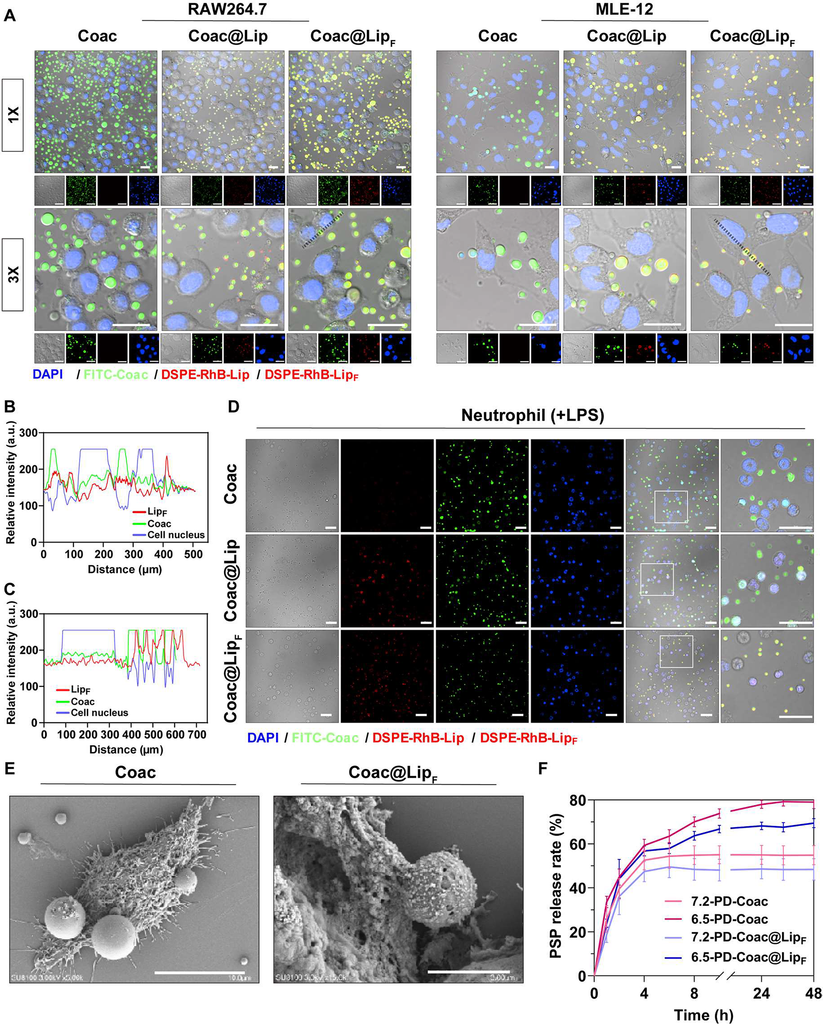
⚡ biological effect
Degradation of NETs and reduction of neutrophil infiltration
Promote M2 polarization of macrophages, reduce ROS and pro-inflammatory cytokines
Relieve pulmonary edema and injury, improve pulmonary retention
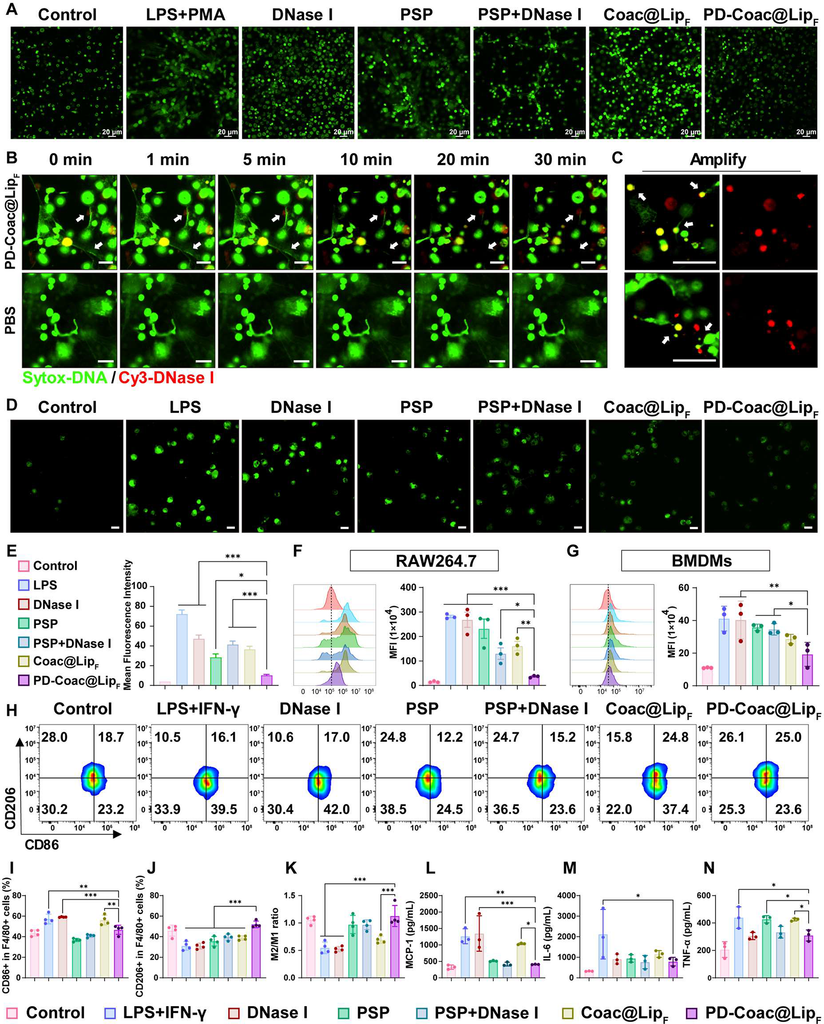
#Research Materials # ACS Nano # Fluorinated Condensed Layer # Mucus Penetration # Inhalation Delivery # ARDS # Nanodrugs